Cat Motion Sickness Remedies: 5 Elite Vet-Backed Secrets to Unlock Peaceful Adventures
Cat Motion Sickness Remedies address an etiology rooted in a compounding cycle. The physiological response of nausea reinforces a cat’s conditioned fear of transport, and this psychological anxiety amplifies the physical malady. Interrupting this feedback loop is the central objective for achieving calm journeys.
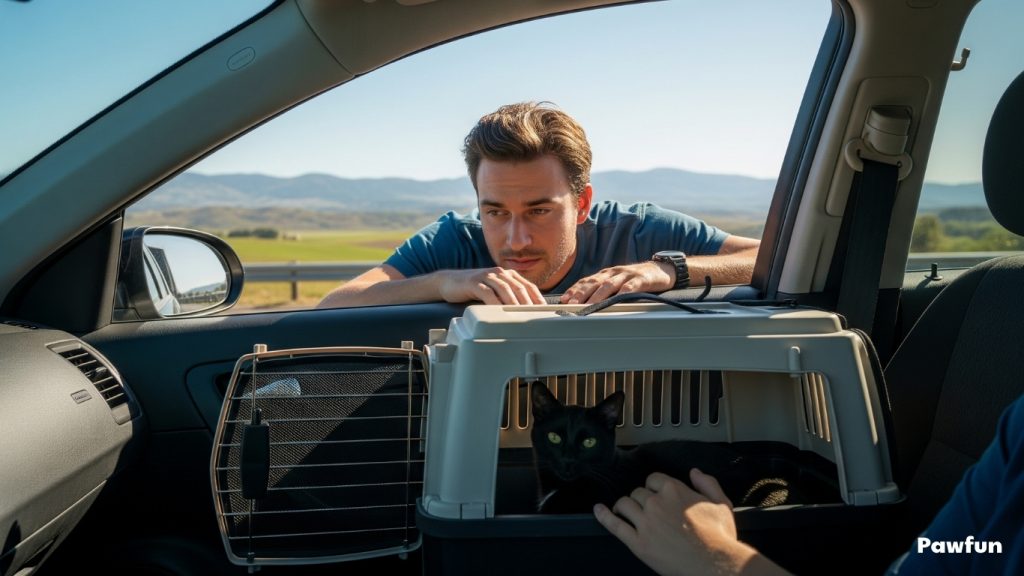
This blueprint provides a veterinarian-guided framework to resolve this condition, moving beyond outdated practices like administering human antihistamines. The multimodal strategy integrates three core components: foundational behavioral modification, environmental management, and pharmacological intervention. This approach is supported by animal welfare organizations like the American Association of Feline Practitioners (AAFP). It includes details on specific veterinary medications such as the antiemetic Maropitant (Cerenia®) and the anxiolytic Gabapentin. These treatments are essential tools for managing acute symptoms, which facilitates successful, long-term desensitization training.
The ultimate goal is to empower owners with the knowledge to create a safe, manageable travel experience through proactive conditioning and a clinical partnership with their veterinarian.
In This Guide, You’ll Find:
- Decoding Your Cat’s Distress: Motion Sickness vs. Anxiety
- Proactive Behavioral and Environmental Strategies
- Evaluating Over-the-Counter and Natural Aids
- A Guide to Prescription Medications with Your Vet
- Your Complete Feline Travel Toolkit
Read on to learn how to turn travel trauma into tranquil transport for your feline companion.
1. The Complete Guide to Understanding and Managing Feline Travel Sickness
1.1. The Complete Guide to Understanding and Cat Motion Sickness Remedies
Before you can find the right cat motion sickness treatment, you have to understand what you’re up against. Is your cat physically ill from the motion, or is it pure terror about the experience? Honestly, it’s often a nasty combination of both. I once assumed my cat’s vomiting was purely from the car’s movement, but I later realized his anxiety about the carrier was making the physical symptoms a hundred times worse.… Click to read full post at PawFunPet
Article Source : ift.tt/0HC1syZ
